PhD Positions – Physical AI & Robot LearningPhysical AI Lab, Chair of Imaging and Computer VisionMultiple open positions
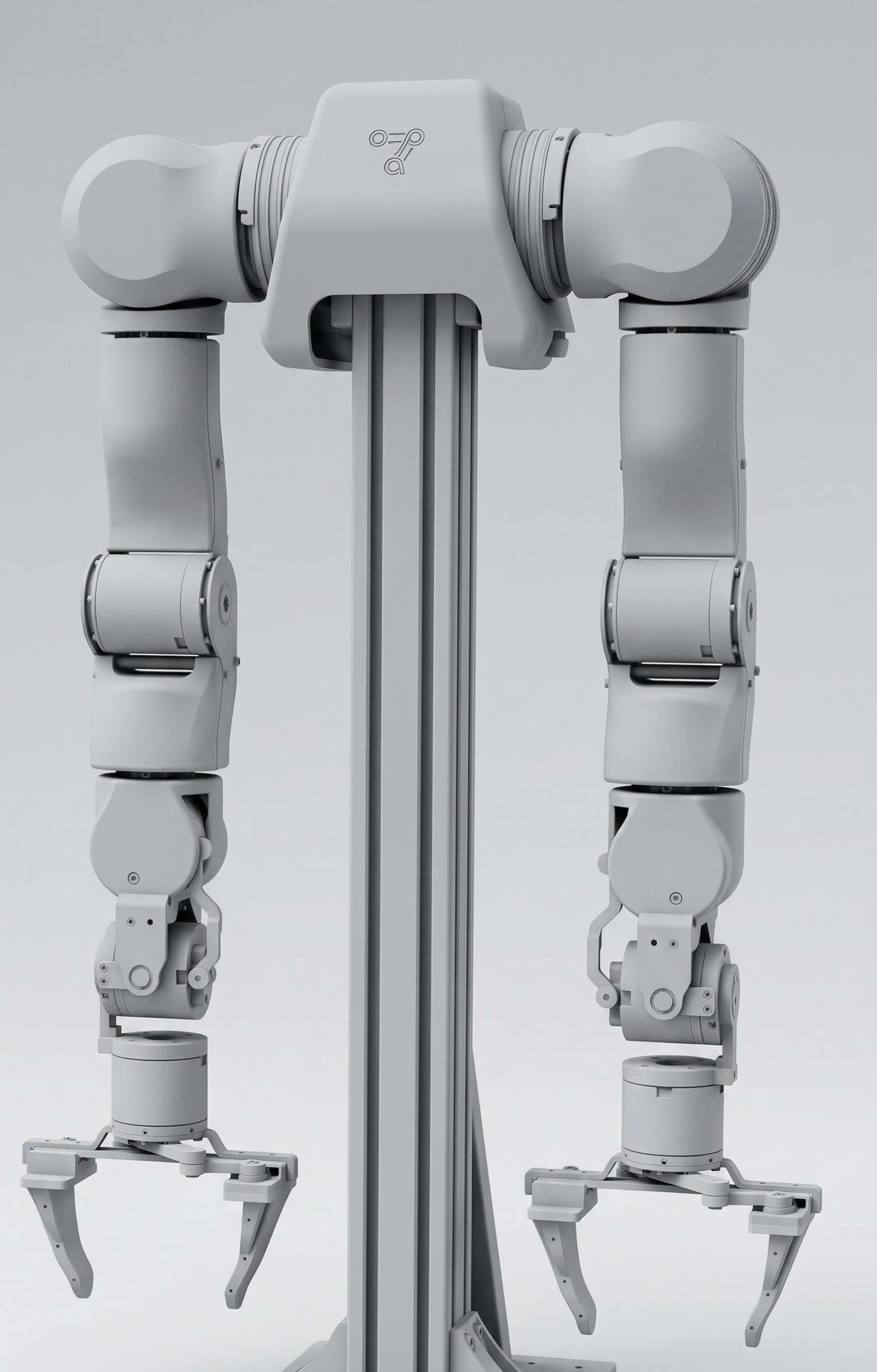
We are inviting applications for Doctoral Researcher positions in the Physical AI Lab at the Chair of Imaging and Computer Vision, Faculty of Electrical Engineering and Information Technology, RWTH Aachen University. Our group develops generalist robots that autonomously solve real-world long-horizon tasks.
Successful candidates will conduct research on learning-based robotic systems that perceive, reason, and act in complex environments. Possible topics include vision-language-action models, robotic world models, active perception, structured memory systems, human-robot cognitive alignment, hybrid imitation and reinforcement learning, and medical robotics. Your work will include developing methods, implementing and evaluating models, conducting experiments in simulation and with physical robots, publishing at top international venues, and contributing to the development of the group.
PhD & Postdoc Positions – Low-Field Magnetic Resonance Imaging (LF-MRI)Chair of Imaging and Computer Vision, in collaboration with Fraunhofer MEVIS5 open positions
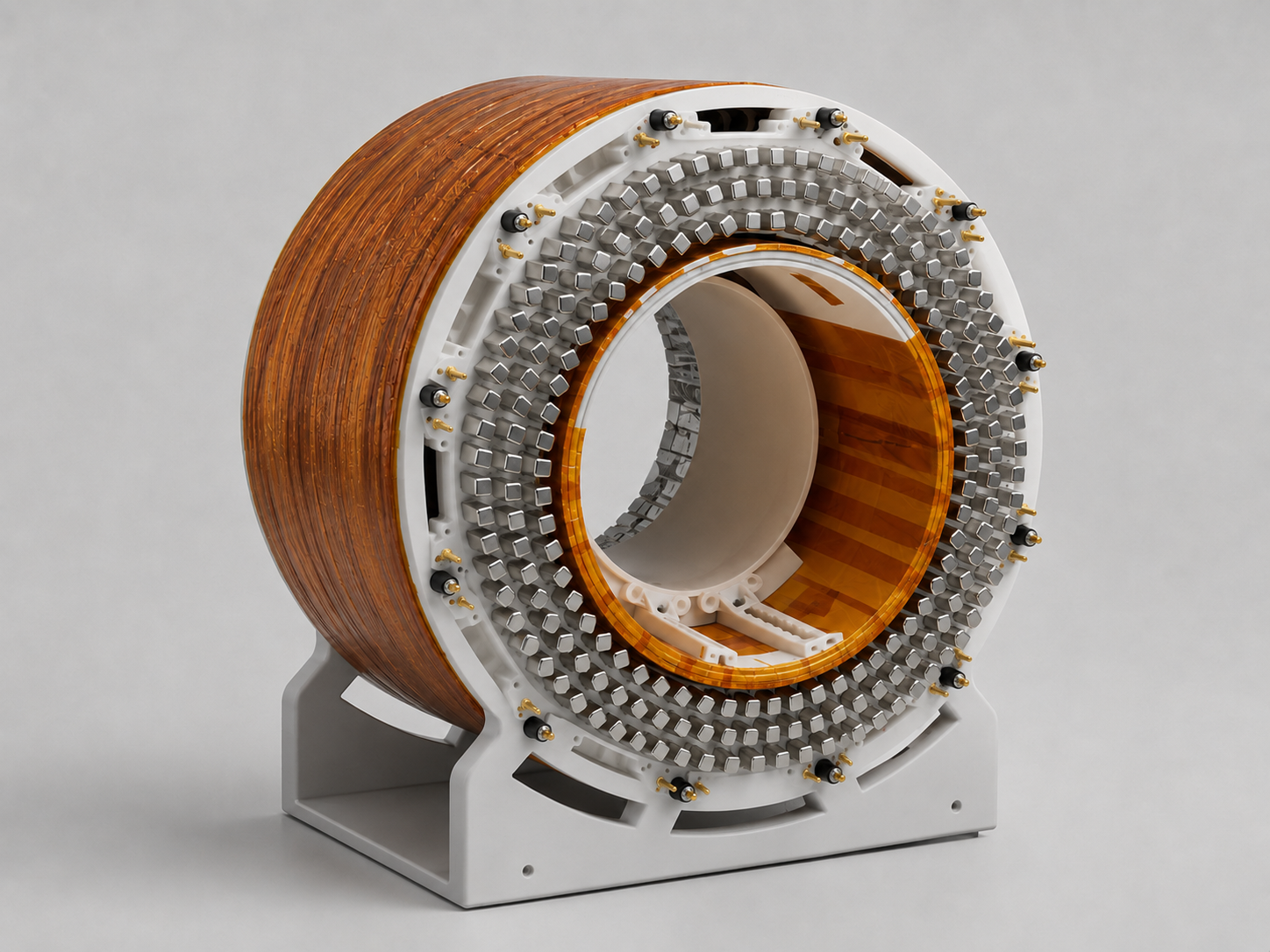
We are seeking Doctoral and Postdoctoral Researchers to expand our Low-Field Magnetic Resonance Imaging (LF-MRI) group at the Chair of Imaging and Computer Vision. In collaboration with Fraunhofer MEVIS, we develop next-generation portable MRI systems by combining innovations in hardware, electromagnetic simulation, RF technology, and physics-informed AI for image reconstruction and noise cancellation. As one of the most promising directions in medical imaging, LF-MRI has the potential to bring MRI to the point of care, enabling new applications, e.g., in primary care, and in mobile healthcare settings.
Doctoral positions
Electronics Design for Low-Field MRI Scanners Job description (PDF)
Advance low-field MRI through novel RF hardware, electronic subsystems, and electromagnetic compatibility concepts.
MR Physics & Image Reconstruction for Low-Field MRI Job description (PDF)
Develop intelligent MRI sequences and physics-informed image reconstruction strategies for next-generation low-field MRI systems.
System Design for Low-Field MRI Job description (PDF)
Develop novel magnet, mechanical, and thermal concepts for the next generation of portable low-field MRI systems.
Postdoctoral positions
Electronics Design for Low-Field MRI Scanners Job description (PDF)
Develop innovative hardware and signal processing concepts that maximize the performance of portable low-field MRI systems.
Hiwi AngeboteStudentische Hilfskräfte am Lehrstuhllaufend
Wir stellen laufend HiWis ein und würden uns freuen, von Ihnen zu hören – kommen Sie jederzeit gerne auf uns zu!