

Multimodal Foundation Models (VLA)
Motivation
In an increasingly complex and dynamic world, robots need the capability to interpret multimodal information, including visual, linguistic, and proprioceptive signals, to perform versatile tasks effectively. Conventional systems often struggle to bridge these distinct modalities, limiting the robots’ adaptability in real-world scenarios. Therefore, developing unified multimodal architectures represents a crucial step toward truly autonomous robotic systems capable of understanding and acting intelligently within unpredictable, context-rich environments.
Research Direction
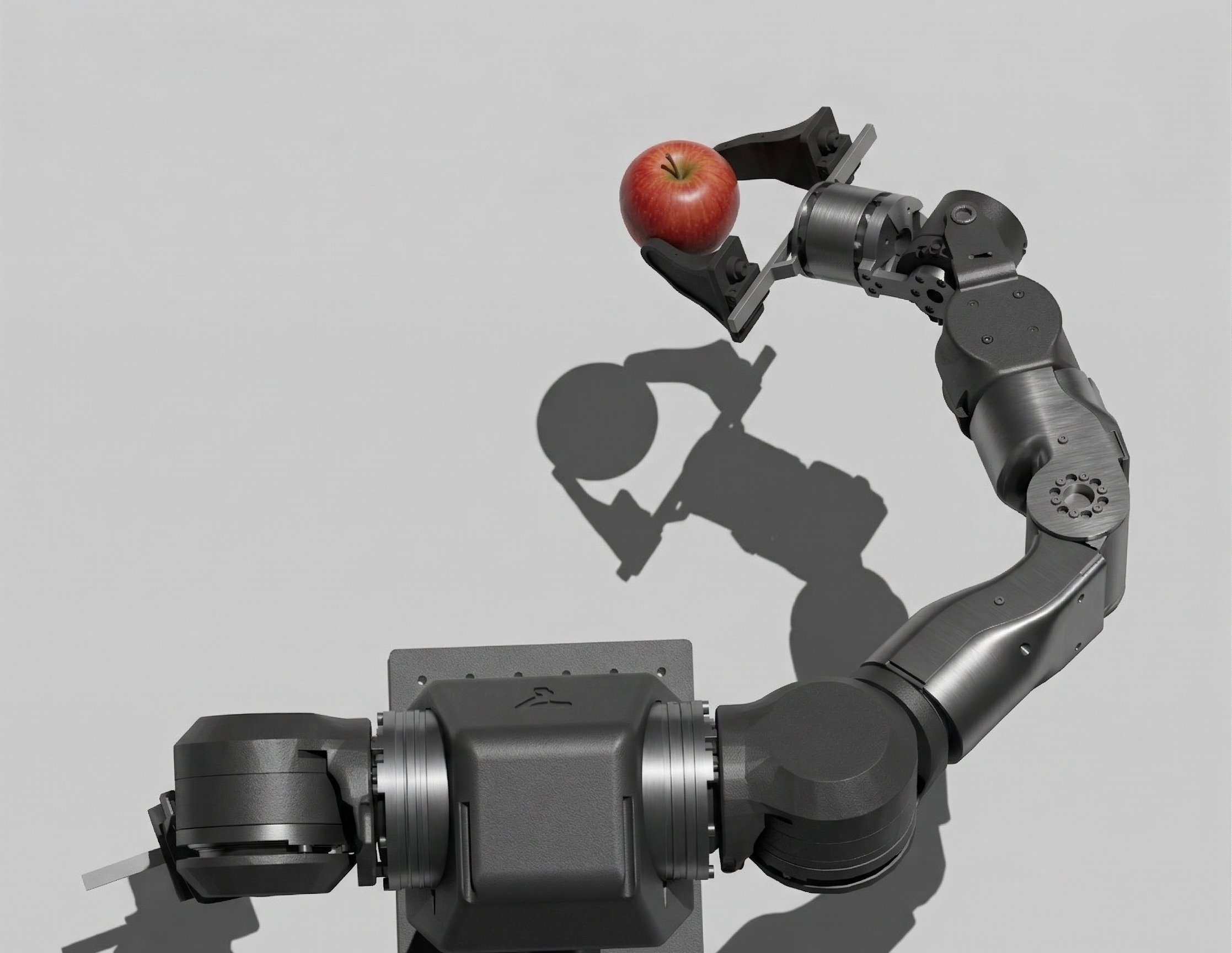
Our research is directed toward developing scalable Vision-Language-Action (VLA) architectures capable of translating multimodal sensory inputs directly into actionable commands. By exploring various architectural paradigms and emphasizing scalability, our goal is to enable robots to perform complex tasks reliably in unstructured environments. We aim to advance foundational models that seamlessly integrate sensory data and decision-making, significantly expanding the scope of robotics applications.