
Research
Physical AI & Robotics
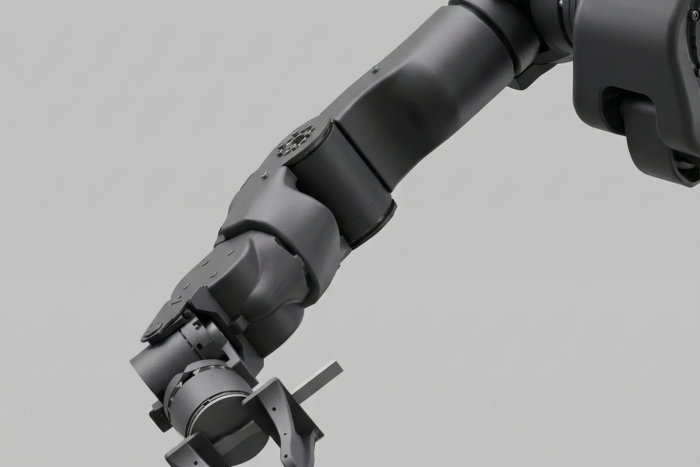
A robot in a kitchen, a laboratory, or an operating room faces situations that no one has programmed in advance. It must combine image, language, and its own body awareness, derive an action from this, evaluate the result, and do better next time.
For a chair focused on imaging, this is no departure: sensor fusion, representation learning, and real-time signal processing are the same tools as in PET reconstruction – just with an actuator at the end. The long-term application lies in medical and clinical robotics.
Research Topics
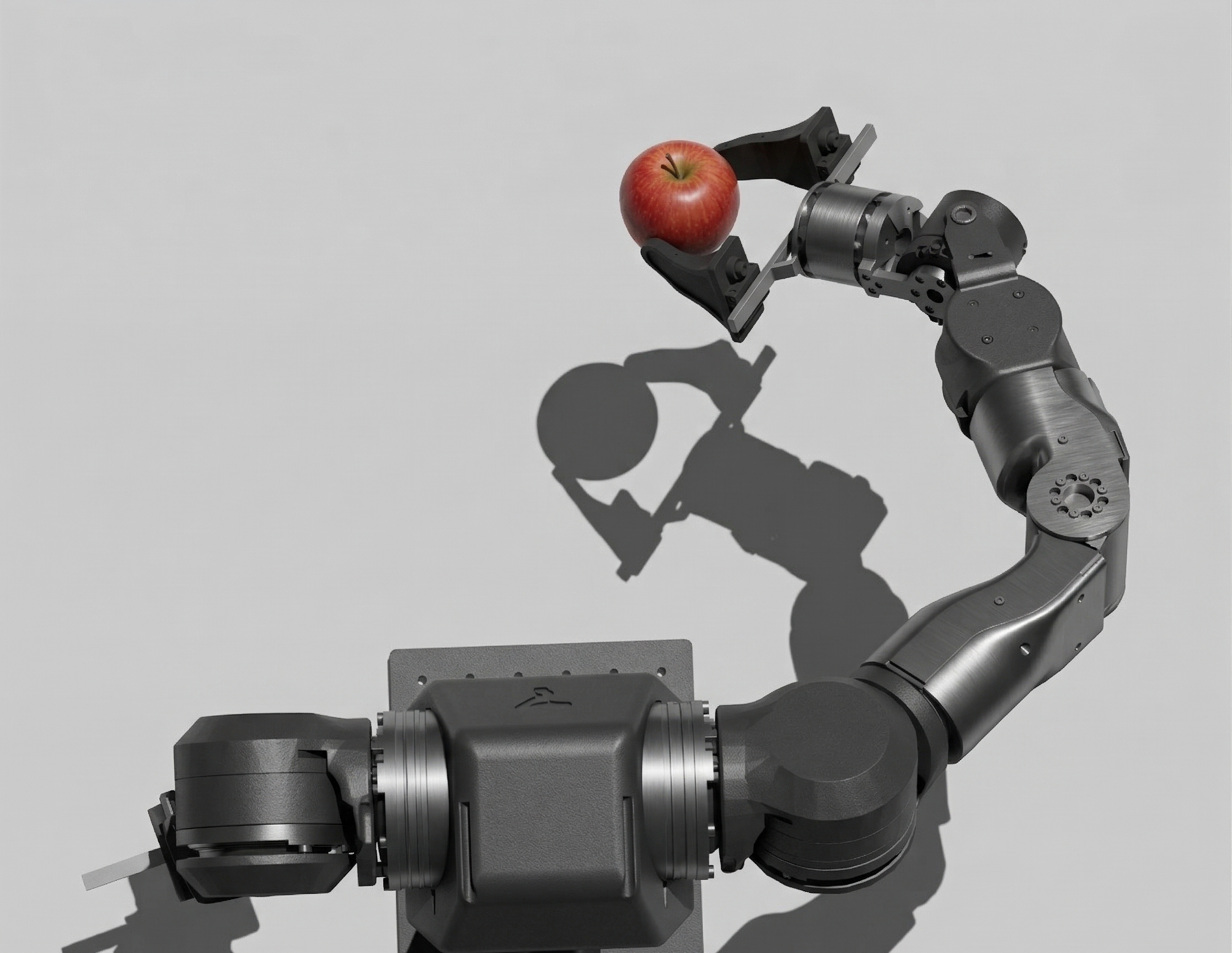
Multimodal Foundation Models (VLA)
Motivation In an increasingly complex and dynamic world, robots need the ability to process multimodal information such as visual, linguistic and proprioceptive data…
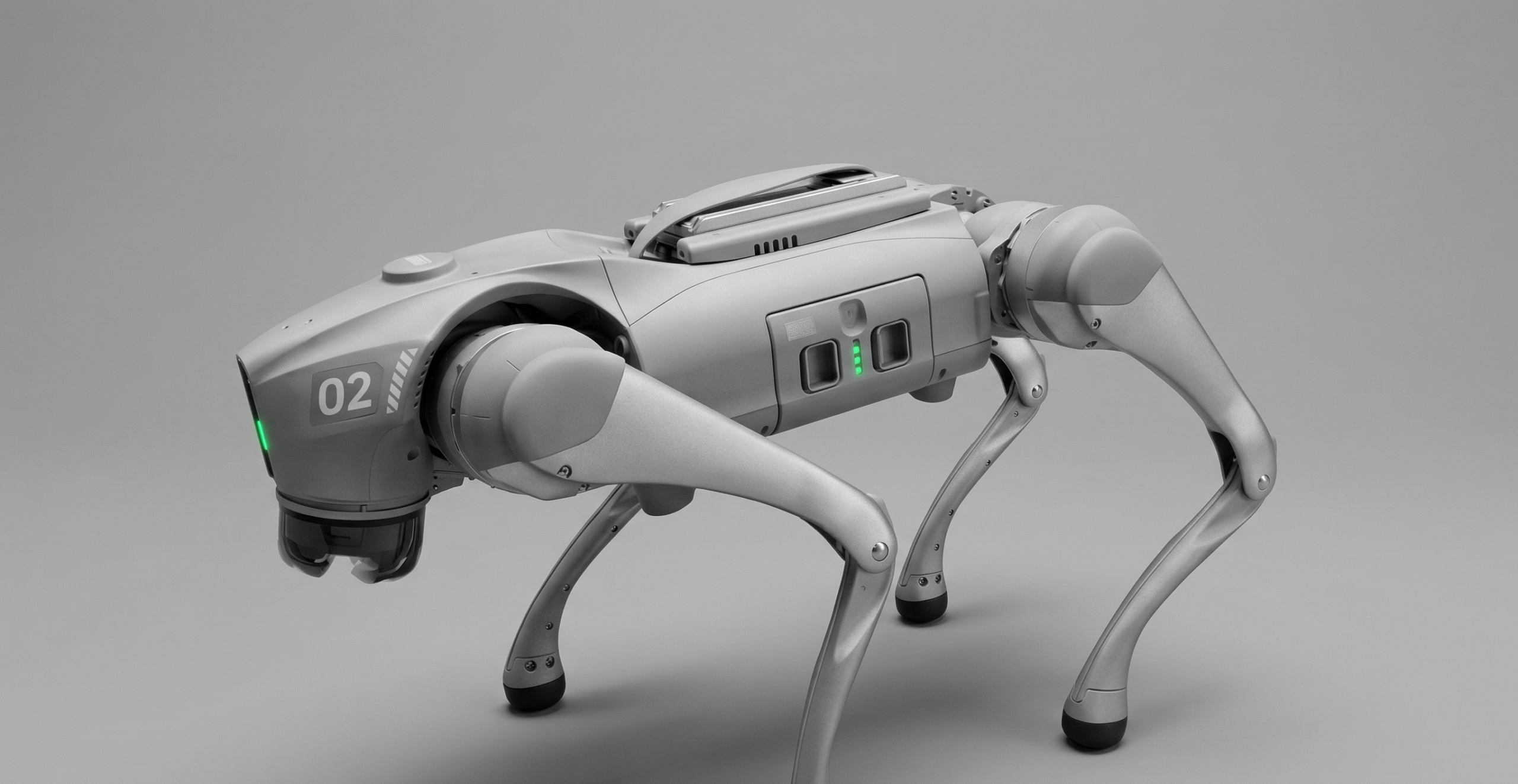
Cross-Embodiment Robotic Generalization
Motivation Robotic intelligence currently suffers from limited transferability between different hardware platforms, which considerably restricts practical deployment. Research into models…
Scalable Robotic Training Environments
Motivation High-quality physical interaction data is crucial for training complex robotic systems, but collecting it at scale remains a critical bottleneck…
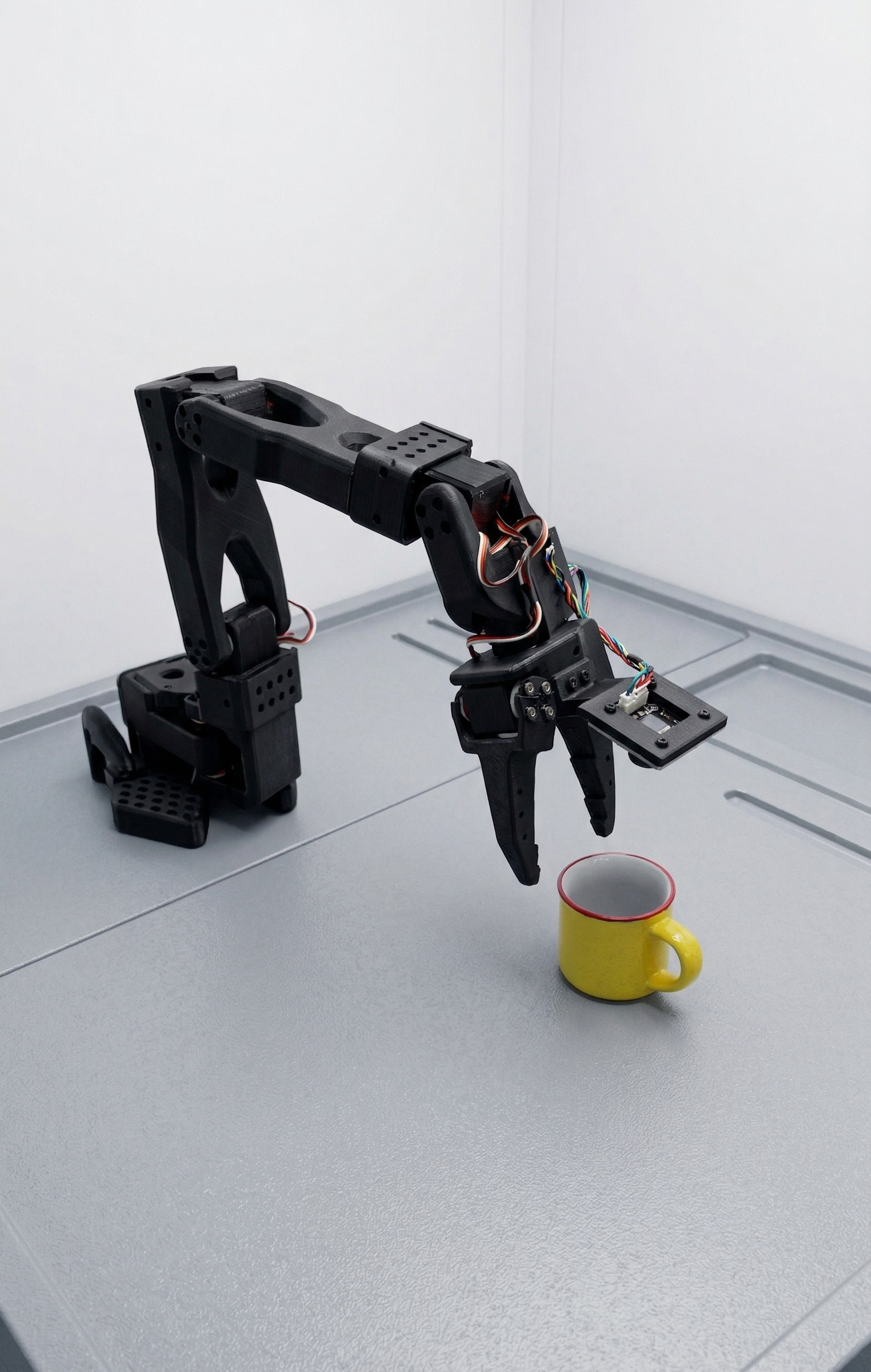
Experiential Learning and Autonomous Correction
Motivation While behaviour cloning provides a starting point, it often produces brittle robot behaviours that fail under unexpected conditions. For effective applications…
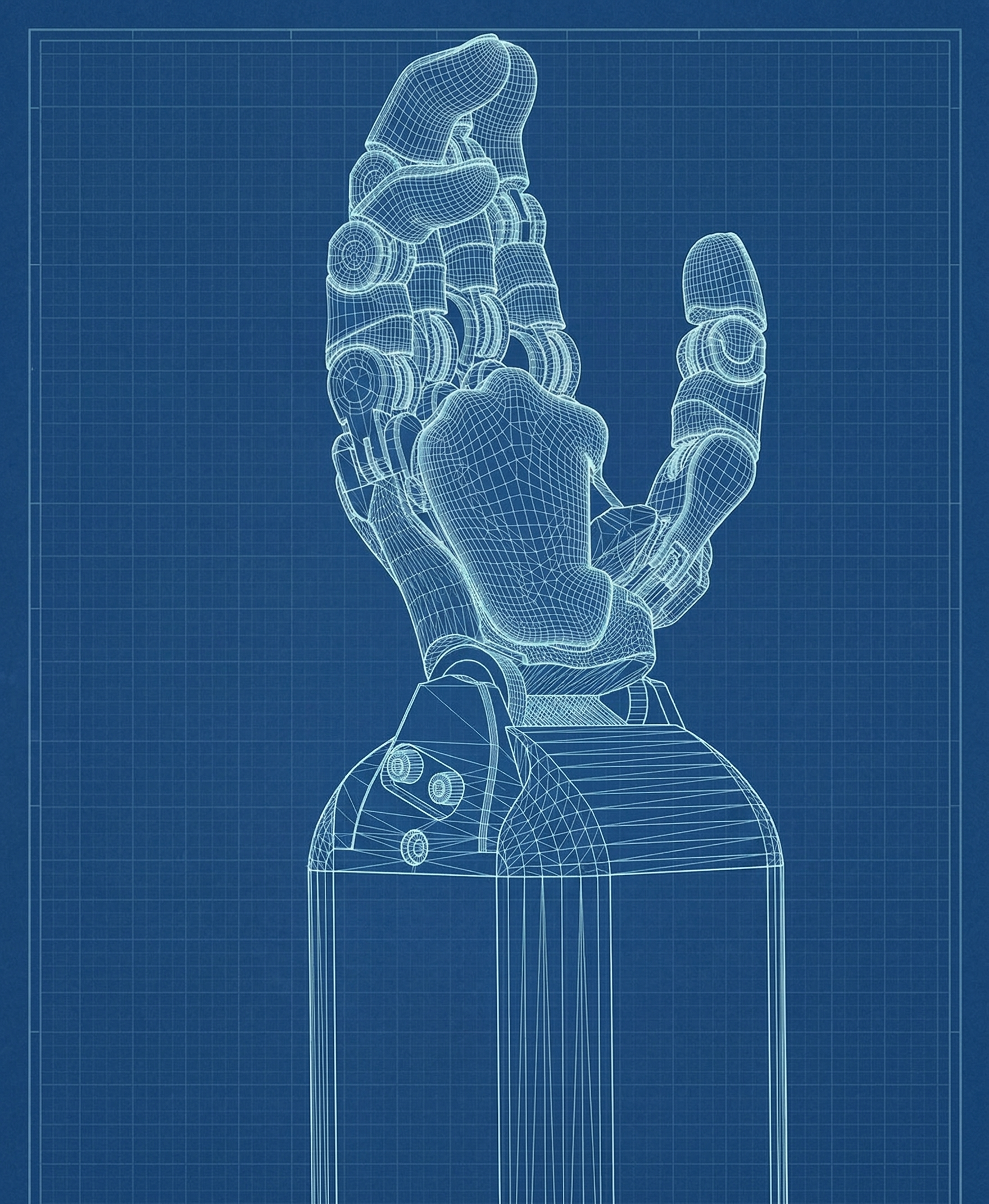
Visual and Tactile Sensor Fusion
Motivation Robotic manipulation tasks frequently reach their limits when visual perception alone is not sufficient, particularly when objects are occluded or intensive…

Real-Time Robotic Control and Optimization
Motivation Efficient robot control requires a fast response to sensory input, which is made more difficult by limited computing capacity in edge devices. Inconsistencies or…
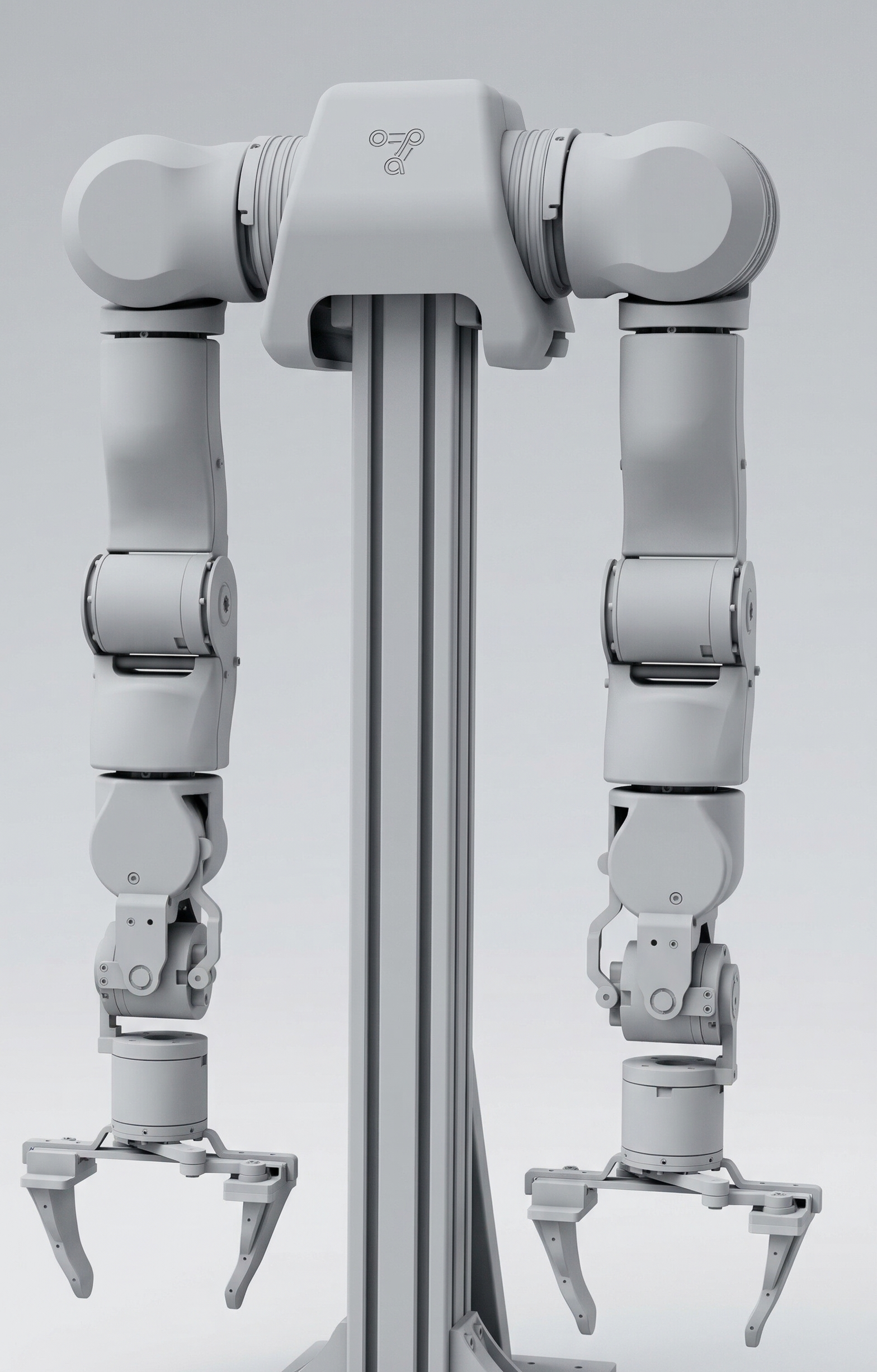
Federated Learning for Distributed Robotic Fleets
Motivation Distributed robotic systems have enormous potential for capturing diverse interaction data, but face considerable challenges regarding data protection and bandwidth when…
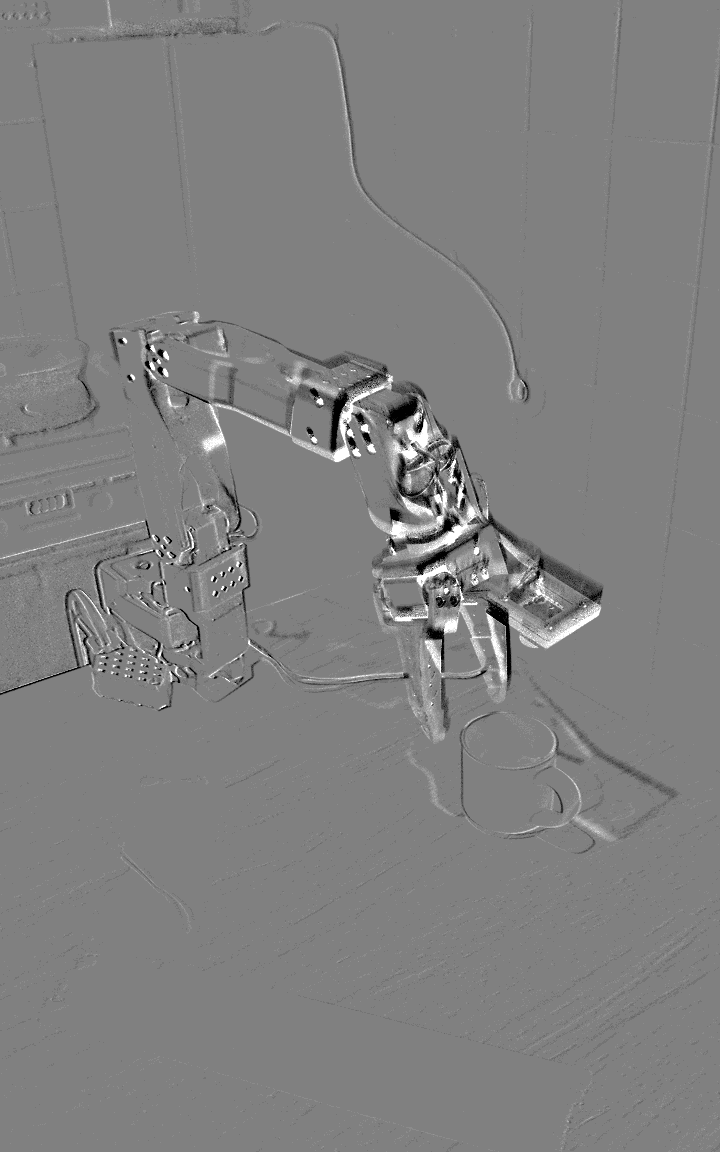
Privacy-Preserving Knowledge Distillation
Motivation As robotic systems are increasingly used in diverse and sensitive environments, the need to share learned skills grows, without…